Because the Paralympics learned that two athletes with the same diagnosis can have completely different abilities in sport.
If you’ve ever wondered why classification exists or why diagnosis alone isn’t enough, this is a great place to start.
This article explores how classification has shifted from diagnosis-based systems to the evidence-backed, sport-specific approaches we use today, and why that evolution is important for emerging sports like CrossFit, HYROX, and functional fitness.
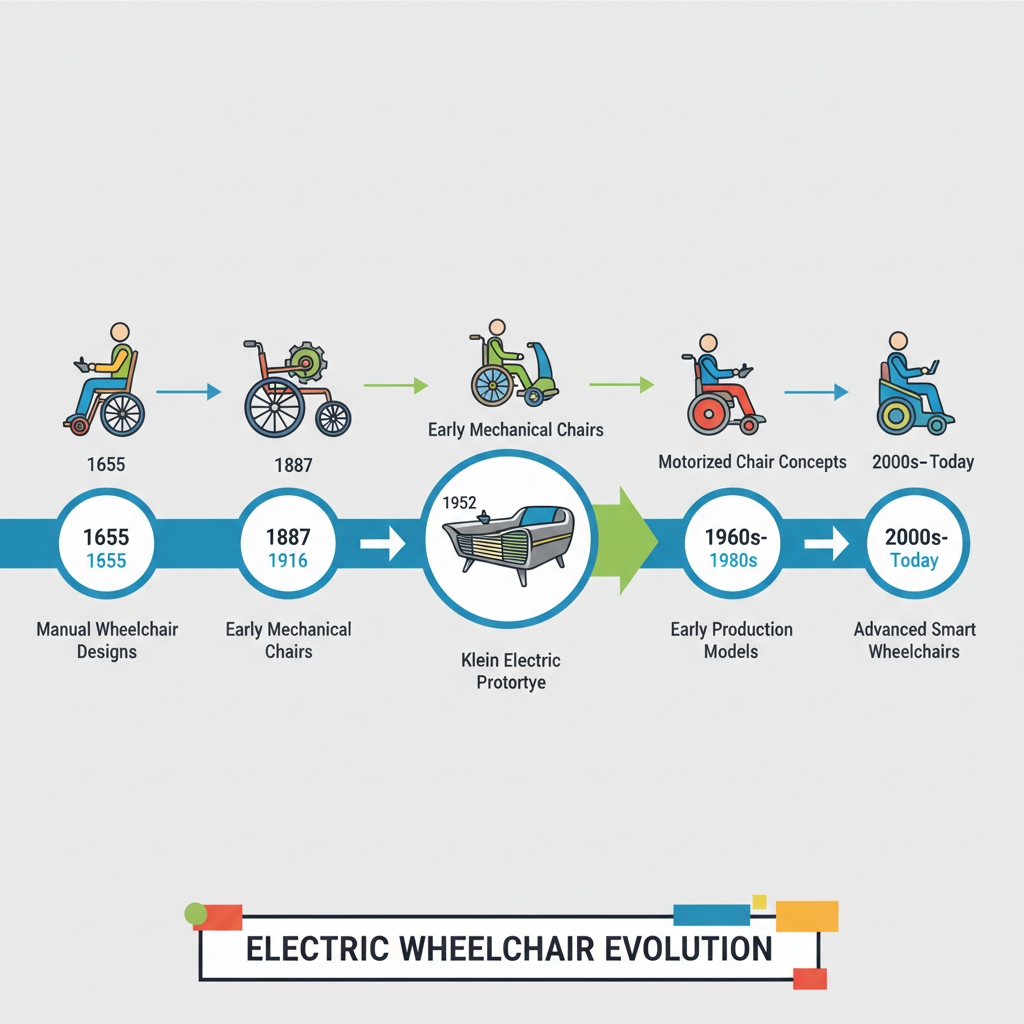
The wheelchair you know today would be almost unrecognizable to someone living 400 years ago.
Over centuries, new ideas made wheelchairs easier to move, transport, and adapt to different people and lifestyles. From pushing and folding frames to electric power and lightweight materials, each development shaped the wheelchairs we use today.
And the story is still evolving with new technology, materials, and ways to personalize your wheelchair.
Which wheelchair innovation has made the biggest difference for you?
1: Sit-ins, Supreme Court cases, and other stuff they didn’t teach you in school. This slide contains a black and white image of a person in a wheelchair. A sign on the back of their wheelchair says “Asking didn’t work.”
2: The Ugly Laws. 1867-1964. The Ugly Laws were a set of laws passed in cities and states across the U.S. that prohibited visibly disabled people from going out in public. These laws often permitted disabled people to perform in public as entertainment but prevented them from mingling with the public. The Ugly Laws were also tied to racism and discrimination against poor people. The last Ugly Law was repealed in 1974.
3: Buck v. Bell. 1927. This Supreme Court case challenged the forced sterilization of people with disabilities. Carrie Buck, who had been institutionalized, fought to prevent the state of Virginia from sterilizing her. The Court ruled to permit forced sterilization, using language that was horrifying and deeply ableist. Buck v. Bell remains the law today.
Nowadays, that I’ve finished university, a day in my shoes could consist of weekly Podiatry appointments, bi-weekly Jobcentre appointments and quarterly visits to the Shipley Library for arts and crafts, which is a social group, with the Shine Charity. I’m also a member of the PURSUN group, with the University of Leeds, that provides pressure ulcer prevention and relief.
I’m living in Ilkley which is a posh retirement area around Yorkshire. This area has many charities, retirement homes, gift shops and coffee shops.
Blogging is another favourite pastime of mine to keep myself busy. I also have a children’s book that I’m trying to get off my chest. I never realised writing a book would be so deep. I could self publish and sell, but I also have to fund the production of the book. In other words the problem is income versus revenue.
Income is the total earnings of a business or individual, while profit is the amount remaining after all expenses are deducted from revenue.
Income refers to the total money earned by a business or individual from various sources. For businesses, this includes revenue from sales of goods or services, as well as non-operating sources like interest, dividends, or gains from asset sales. Income can be categorized as earned income (from active business operations) and unearned income (from investments or passive sources).
Profit, on the other hand, is the residual amount left after subtracting all costs, expenses, and taxes from revenue. It represents the financial reward for taking business risks and is a key indicator of a company’s financial performance. Profit can be further divided into gross profit (revenue minus cost of goods sold) and net profit (gross profit minus operating expenses, taxes, and other costs).
Key Differences Calculation: Income is the total earnings, while profit is calculated by deducting expenses from income or revenue.
Purpose: Income shows the total resources available for reinvestment or distribution, whereas profit indicates how much money exceeds total costs during a period.
Timing: Income is often reported periodically (monthly, quarterly, annually), while profit is typically assessed after all expenses are accounted for.
Scope: Income can include non-operating sources like interest or dividends, while profit focuses on the net gain from business operations.
In essence, income measures total earnings, while profit measures the efficiency and success of operations after costs. Understanding both is crucial for financial planning, tax calculations, and evaluating business performance.
Alternatively, Access Consultancy is a new interest I have found, while Journalism and Politics are still my passion.
You must be logged in to post a comment.